Your Guide to Living in Downtown Brea Neighborhoods
February 5, 2026
February 5, 2026
Wondering what it really feels like to live in Downtown Brea and the nearby neighborhoods? You might want a walkable spot for dinner and a movie, but also an easy commute and access to parks and trails. This guide gives you a clear picture of daily life across Brea’s main pockets so you can see which one fits your routines and budget. Let’s dive in.
Brea offers a small-city downtown with shops, restaurants, galleries, and community events that draw locals and visitors. You get convenient access to major shopping, commuter freeways, and regional job centers in northern Orange County and parts of Los Angeles County. You also have quick access to open space, including Carbon Canyon Regional Park, which is known for its redwood grove, walking paths, and family-friendly activities.
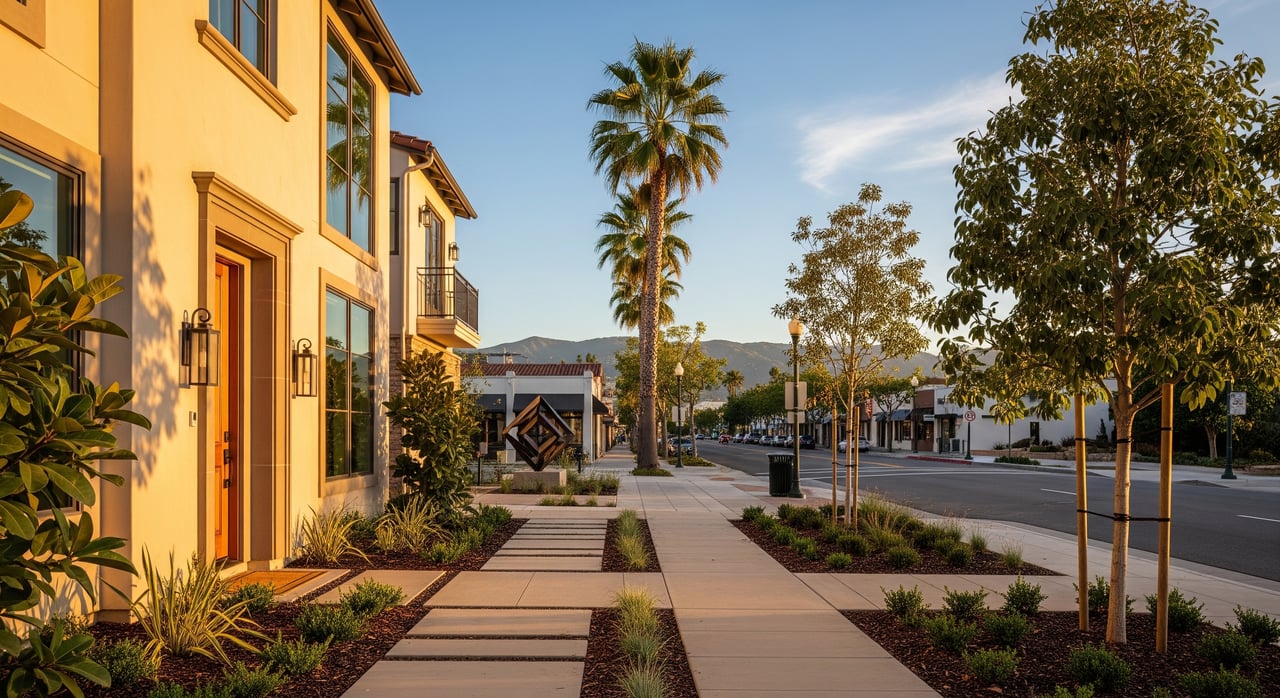
Downtown is the heart of Brea’s pedestrian life. You can walk to cafes, restaurants, galleries, and civic spaces, with evening and weekend events that bring energy to the streets. Housing near the core includes older single-family homes, townhomes, and a limited number of multifamily buildings within short walks or drives. If you want a compact, social vibe, this is a strong match.
South and west of downtown, the regional mall area and surrounding centers focus on big-box shopping, chain dining, and plenty of parking. It is highly convenient for errands but less walkable than downtown. Most nearby housing is suburban and car oriented. If you like one-stop shopping and easy parking, you will appreciate this corridor.
Toward Carbon Canyon, you will find hillside streets, larger lots in some pockets, and a quieter feel. Homes are primarily single-family, with winding roads and more open space. Living here puts you close to trails and Carbon Canyon Regional Park. If you value privacy, yard space, and access to nature, this area may fit your lifestyle.
Near the Fullerton and La Habra borders, you see classic suburban layouts with cul-de-sacs and grid streets. Most homes are detached single-family properties with some townhome communities. Daily life here is car dependent for errands, with neighborhood parks and schools nearby. If you want traditional suburban living and interior space, this is a practical area to focus on.
Daily life often crosses city lines in northern Orange County. You may live in Brea but shop or dine in Fullerton, Placentia, or Anaheim, and the reverse is also true. Commutes, entertainment, and services are regional. Keep this in mind as you compare neighborhoods and weigh convenience.
Downtown Brea is the most walkable pocket, with short blocks, sidewalk dining, and clustered businesses. Outside downtown, most neighborhoods lean car dependent. Plan on driving for larger errands, especially along the mall corridor.
Expect two patterns: downtown’s independent restaurants, coffee shops, and galleries, and the mall corridor’s chain dining, grocery, and big-box stores. You can stroll downtown for a date night or weekend brunch. For household shopping and larger purchases, the mall and nearby centers make errands efficient.
Carbon Canyon Regional Park is a highlight with its redwood grove, small lake, and easy walking paths. Hillside neighborhoods near Olinda connect you to trail options and a more open feel. Across the city, community parks offer fields, playgrounds, and picnic spots within a short drive.
Downtown hosts public art, galleries, and community events throughout the year. Evening activity tends to be event driven, with seasonal festivals and concerts drawing crowds. Nightlife is lively around special events and more moderate on typical weeknights.
Brea sits near the SR-57, which is a key north-south route in this part of Orange County. Connections to SR-91 and other corridors give you options depending on your commute. Proximity to SR-57 can make a big difference in daily travel time, so consider your typical routes when choosing a neighborhood.
Local bus service is available through the county transit system, linking Brea to nearby cities. There is no major regional rail station inside Brea. Many commuters use nearby stations in Fullerton or Anaheim to access destinations in Los Angeles, Orange County, and beyond. If you rely on transit, plan your first- and last-mile connections and check schedules.
Downtown has a mix of street parking and municipal lots with turnover designed for dining and short visits. The mall corridor has large surface lots and structures. Expect heavier traffic and parking demand on peak shopping days and during major events.
Most of Brea’s housing stock is single-family, with townhomes and apartments near commercial corridors and downtown. You will find a mix of post-war tract homes, later suburban developments, and some infill or modern multifamily near the core. Hillside pockets may include older custom homes and larger lots.
Northern Orange County is generally a higher-cost housing region. Prices in Brea align with broader Orange County patterns and typically sit above state and national medians. For current numbers such as median price, price per square foot, and days on market, review the latest local reports before you set your budget or make offers.
Schools in most of Brea are served by the Brea Olinda Unified School District. If schools factor into your decision, review district resources and publicly available performance data. Perceptions of safety vary by block, so it is wise to review local crime statistics and visit at different times of day. Hillside properties can involve wildfire and slope considerations; review disclosures and regional hazard maps as you evaluate homes.
Start by mapping your daily routines, including commute routes and school or daycare pickups. Then, plan a few test days. Have breakfast downtown, run errands near the mall, and take an afternoon walk at Carbon Canyon to see how it feels. Finally, narrow to two or three neighborhoods, drive the streets at different times, and compare home types that fit your budget.
Ready to explore homes and compare pocket-by-pocket trade-offs with a local expert? Reach out to Mary Meza Hayes to talk through your goals, preview listings, and set a smart plan from search to close.
Stay up to date on the latest real estate trends.
Whether you’re buying your first home or selling your luxury property, Mary is ready to help. Her client-first approach ensures your goals are met with professionalism, care, and confidence — every time.