Exploring the Huntington Beach Condo Lifestyle & Townhomes
February 19, 2026
February 19, 2026
Do you want the Huntington Beach lifestyle without the upkeep and price of a detached home? Condos and townhomes can be a smart path to coastal living, with walkability, amenities, and less maintenance on your plate. You may be sorting through HOAs, fees, and neighborhood choices and wondering what really fits your day-to-day. In this guide, you’ll learn how condo and townhome living works in Huntington Beach, which pockets match your routine, what to watch for with HOAs and insurance, and a simple checklist to shop with confidence. Let’s dive in.
Huntington Beach is a high-demand coastal market, and single-family prices reflect that. Condos and townhomes often offer a lower entry point to the same beach and bike-path lifestyle. Citywide, recent snapshots place the overall median sale price around the low seven figures, while condo and townhome pricing trends vary by neighborhood and season. Treat condos and townhomes as a spectrum, from compact beach-adjacent 1-bedrooms to multi-level townhomes with attached garages.
If you want high walkability and energy, this core area centers on Main Street and Pacific City. You can stroll to coffee, surf, then head out for dining and shopping at night. The vibe is lively in summer with events and foot traffic. Get a feel for the scene by browsing the official visitor guide to Downtown Huntington Beach.
On the north side, the Harbour shifts to a marina rhythm. Mornings are quieter, with paddle sports and boating access from small marinas. Waterfront condo complexes can offer easy water access, and nearby restaurants make for relaxed evenings by the docks. Expect different parking patterns here and a calmer pace than the Pier.
You are close to nature and the coast in these pockets, with access to the wetlands and the paved beach bike trail. Many gated townhome and condo communities add greenbelts and pools. Residents enjoy biking the 8.5-mile coastal trail that runs between Bolsa Chica State Beach and Huntington State Beach, a daily asset highlighted by California State Parks.
Further inland, you trade some oceanfront buzz for parks, recreation, and residential streets. Huntington Central Park anchors the area with lakes, fields, and trails. Townhomes and low-rise condos here often come with a more relaxed per-square-foot price than immediate beachfront, while keeping beach access a short bike ride or drive away.
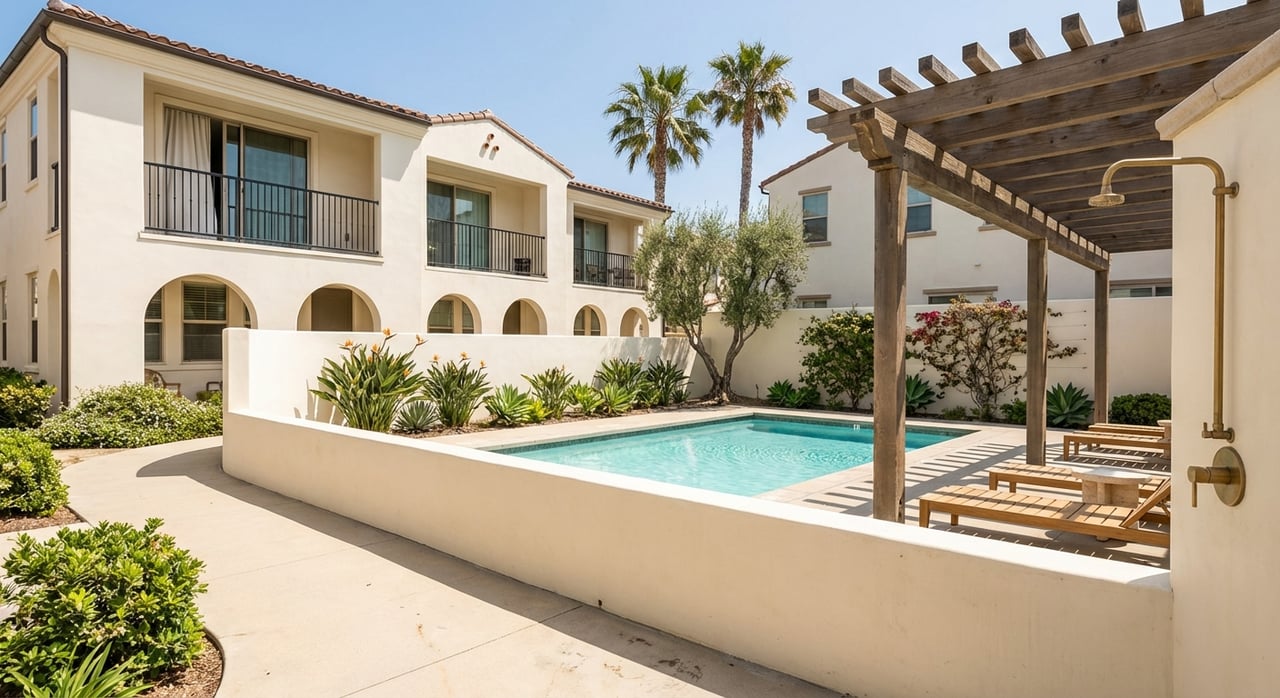
Expect a mix that may include pools, spas, small fitness rooms, elevators in mid-rise buildings, and landscaped common areas or clubhouses. Parking can be subterranean, gated surface, or private garages in townhome-style communities. Waterfront complexes may be near public marinas, which adds boating and paddle access to your routine.
In denser beach zones, many condos have assigned spaces and limited guest parking. Townhomes more often have private garages, but guest and street parking rules still matter. Think through surfboard and bike storage, elevator wait times, EV charging availability, and HOA rules for storing gear. These small details have a big impact on daily life.
HOA fees vary widely by complex, size, and amenities. Some associations include water, trash, and master insurance in the dues, while others do not. Fees commonly run from the low hundreds to several hundreds per month. Always verify coverage in writing during escrow and review the association’s budget and reserve study to understand how future repairs are funded.
If you want a quick consumer overview of HOA responsibilities and your rights, the California Department of Justice provides helpful homeowners association guidance.
California’s Davis–Stirling Act governs homeowner associations and the documents they must provide to buyers. You are entitled to an HOA resale packet that includes governing documents, budgets, reserve studies, meeting minutes, and insurance summaries. Review the statute overview at Davis–Stirling and plan to request the packet early in escrow so you have time to digest it.
Condominium associations must inspect exterior elevated elements such as balconies, decks, and walkways, and act on any hazards. Many HOAs have completed initial inspections and are incorporating costs into reserves and repair plans. Ask whether SB 326 inspections are complete and if any recommended work remains or is funded. For background on these inspections, see this public guidance on exterior elevated elements.
If a building sits in a federally mapped flood zone, lenders look for the association’s master flood policy, often called a Residential Condominium Building Association Policy. If the HOA’s coverage is missing or inadequate, the lender may require additional unit-level coverage. The Interagency Q&A from the Federal Reserve explains these rules for condos and lenders; you can read the section on flood insurance requirements.
Also consider long-term coastal risk. State resources discuss sea-level rise and erosion planning along California’s coast. For general context, see this overview of coastal erosion response in California.
Huntington Beach regulates short-term rentals with an annual permit system and location-based rules, and many condo CC&Rs prohibit them even when the city allows permits. If rental income is part of your plan, confirm both the municipal rules and your HOA’s governing documents. You can review the city’s ordinance in Chapter 5.120 of the Huntington Beach municipal code.
Some loan programs have condo project eligibility requirements related to reserves, litigation, insurance, and owner-occupancy. If you plan to use FHA, VA, or conventional financing with project review, loop your lender in early and have them evaluate the project as soon as you identify a target community. Doing this upfront can save time and frustration later.
Use these questions on tours and during escrow. Ask for answers in writing when possible.
Choose the pocket that supports your routine. If you want to walk to coffee and the Pier, focus on Downtown. If you want a calmer waterfront feel, explore the Harbour. If you want bigger layouts with easy access to the beach path and parks, look at Seacliff, Bolsa Chica, West HB, and South HB.
As you tour, keep your focus on practical fit: parking, storage, noise level, HOA health, and insurance. Review the resale packet with care, ask pointed questions, and loop in your lender early. With the right prep, you can enjoy the beach lifestyle with fewer surprises.
If you are ready to compare neighborhoods, discuss HOA due diligence, or line up showings, reach out to Mary Meza Hayes. Schedule your free consultation and get a clear plan for your next move.
Stay up to date on the latest real estate trends.


Whether you’re buying your first home or selling your luxury property, Mary is ready to help. Her client-first approach ensures your goals are met with professionalism, care, and confidence — every time.